


Signs You’re Not Getting Enough Fiber
Key Takeaways:
- Many everyday digestive issues can be signs of low fiber. Constipation and lingering hunger may all be your body’s way of signaling it needs more fiber.
- Fiber needs add up across the day. Even if you eat healthy meals, it’s easy to fall short of daily fiber needs without consistent intake from meals, snacks, or supplements.
- Small, consistent changes make a difference. Gradually adding fiber through foods or fiber supplements can help support regular digestion, fullness, and overall gut health.
Not getting enough fiber may lead to constipation, irregular bowel movements, frequent hunger and digestive discomfort after meals. Fiber helps support regular digestion, fullness, gut health, and steadier carbohydrate absorption.
However, many people don’t meet daily fiber needs. Learn the most common signs and how to support your fiber intake.
Why Does Getting Enough Fiber Matter?
Fiber is a plant-based carbohydrate that the body does not fully digest. Fiber passes through your digestive system and helps support regular digestion, gut health, and feelings of fullness after meals. It also plays a role in how quickly carbohydrates are absorbed, which can affect energy and blood sugar levels.1,3
Even though fiber is essential, many adults don’t consume enough of it on a daily basis.2
4 Signs That You’re Not Getting Enough Fiber
1. You’re Often Constipated or Irregular
One of fiber’s most well-known roles is supporting regular bowel movements. Fiber adds bulk to stool and helps move waste through your digestive tract. When your diet is low in fiber, digestion can slow, making bowel movements less frequent or harder to pass.1
2. You Feel Hungry Soon After Eating
Fiber slows digestion and helps you feel satisfied longer after meals. High-fiber foods promote a feeling of fullness while helping to regulate blood sugar, which may lead to feeling fuller, longer.3 Meals that are low in fiber may not have this same effect, which can leave you feeling hungry again not long after eating.3
3. You Experience Digestive Discomfort
An inconsistent fiber intake can contribute to digestive discomfort. Fiber supports normal gut function, and when intake is too low or fluctuates widely from day to day, digestion may feel off balance. Gradually increasing fiber can help your digestive system adjust more comfortably.3
4. Your Diet Doesn’t Contain Many Plant-Based Foods
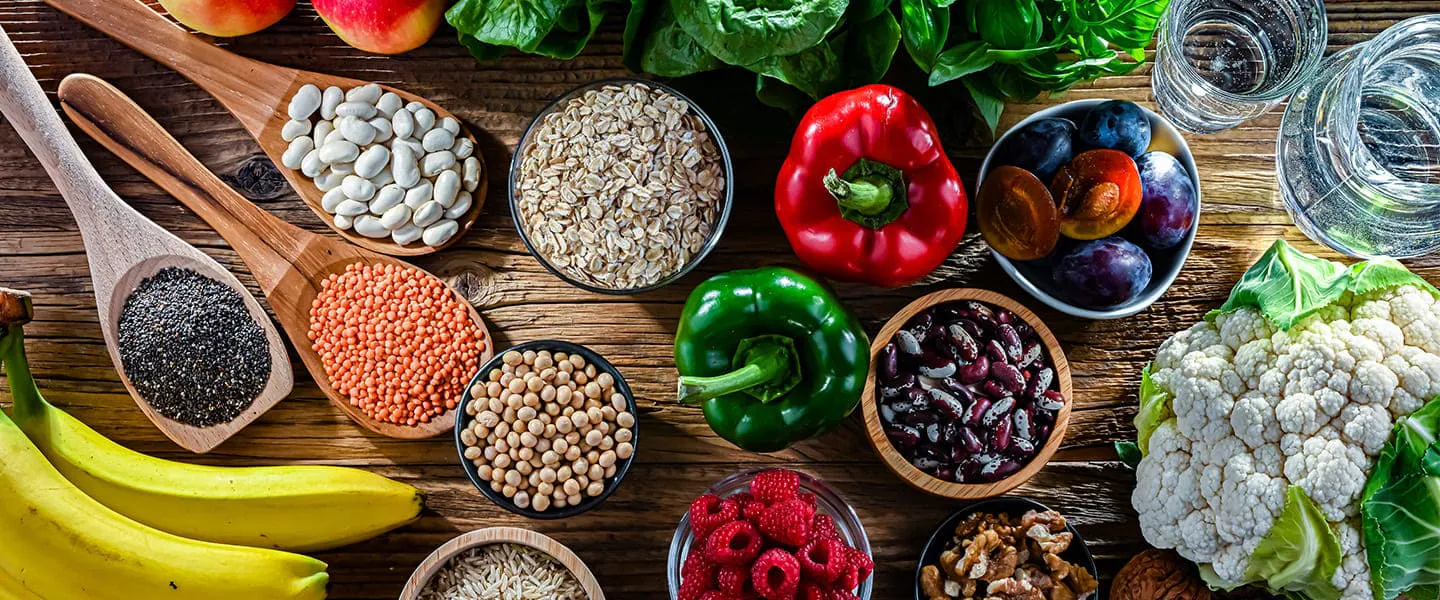
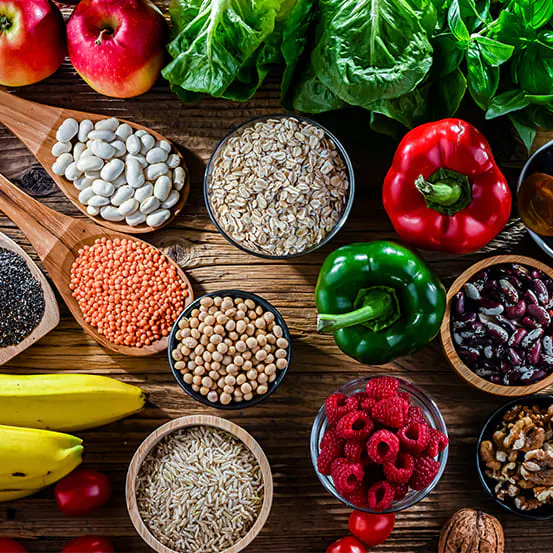
Fiber is found in plant foods like fruits, vegetables, beans, legumes, whole grains, nuts, and seeds. If most of your meals are built around refined grains, packaged foods, or low-fiber options, your daily fiber intake may be lower than you realize.1,2,3,4
How Much Fiber Do You Actually Need?
Fiber needs vary by age and sex, but the U.S. Food & Drug Administration has indicated that the daily intake of fiber per day for adults is 28 grams. Despite this recommendation, average intake is much lower. Many people consume closer to half of what they need, often without realizing it.1, 4
Why Don’t People Get Enough Fiber?
There are a few common reasons fiber intake can fall short:2
- Meals built around refined grains instead of whole grains
- Not eating enough fruits, vegetables, beans, or legumes
- Relying heavily on packaged or processed foods
- Assuming fiber intake is “covered” by one high-fiber meal
Simple Ways to Support Your Fiber Intake
Supporting your fiber intake doesn’t have to feel overwhelming. Small, consistent changes can make a meaningful difference over time.1,2,4
- Add fiber-rich foods gradually to meals and snacks
- Pair fiber with meals you already eat
- Drink enough fluids to support digestion
- Swap white bread and cereals for whole grains
- Consider fiber supplements as an option to help support daily intake when food alone falls short
The key is consistency; regular fiber intake day after day supports digestion better than occasional high-fiber days.
Pay Attention to Your Body
Digestive changes can happen from time to time, but if symptoms like persistent constipation, discomfort, or unexplained changes continue, it’s a good idea to talk with a healthcare professional. They can help determine whether fiber intake or another factor may be involved.1
Supporting Your Fiber Intake with Benefiber
Getting enough fiber every day doesn’t have to be complicated. In addition to fiber-rich foods, Benefiber supplement powder offers an easy way to help support your daily fiber intake as part of your routine. Made with a clear, taste-free fiber that dissolves completely, Benefiber Original Powder is easy to take and can be added to beverages or foods you already enjoy, making it easy to support digestive health day after day. Benefiber Original Powder contains a single ingredient—wheat dextrin. This plant-derived prebiotic fiber is both gluten-free and sugar-free.
Frequently Asked Questions
These statements have not been evaluated by the Food and Drug Administration. These products are not intended to diagnose, treat, cure or prevent any disease.
- Dietary fiber: Essential for a healthy diet. Mayo Clinic. https://www.mayoclinic.org/healthy-lifestyle/nutrition-and-healthy-eating/in-depth/fiber/art-20043983. Accessed 5/12/26.
- The Facts on Fiber. Harvard Health. https://www.health.harvard.edu/diet-and-nutrition/the-facts-on-fiber. Accessed 5/12/26.
- Why is Fiber So Important. Cleveland Clinic. https://health.clevelandclinic.org/fiber. Accessed 5/12/26.
- Why Fiber Matters For Your Health. Franciscan Health. https://www.franciscanhealth.org/community/blog/why-fiber-matters-for-your-health. Accessed 5/12/26.
Top High-Fiber Foods to Add to Your Diet
Top High-Fiber Foods to Add to Your Diet

What is Gut Health? A Beginner’s Guide to the Microbiome
What is Gut Health? A Beginner’s Guide to the Microbiome
Nourish the Goodness Inside
Benefiber is an easy way to add fiber to your life.
$1 OFF BENEFIBER